By 1830 New Baltimore was a bustling little village on the banks of the Hudson with boat builders, blacksmiths, fishermen, farmers, store keepers, and even a doctor—but no church! Weather permitting, residents went to either Coxsackie or Coeymans for worship. The Rev. Dr. Staats VanSantvoord was responsible for a discussion among the people to fill a need for a house of worship. He lived in Schodack and knew that the church in Stuyvesant Landing was a good model on which to found the church in New Baltimore. By 1833 a building committee was appointed and a site decided on (“…a wise man builds his house on a rock”). The architect was Thomas Gibbons. On July 4, 1833 the expectant members, singing hymns, marched from the school house on the corner of Madison Avenue and the present Route 144 down to the church site where Dr. VanSantvoord laid the cornerstone.
By 1834 the building was finished. Then years later a Sunday School was formed, meeting in the sanctuary. In 1846 the church was yoked with the Coeymans Reformed church, being served by the same minister.
In 1852 the church was enlarged to provide for extra pews and pulpit furnishings; this was when the local saloons were persuaded to close on the Sabbath. By 1856 the pastor was granted an official vacation, the Sunday School remained open all year, instruction in the catechism was given for prospective members, and the yoke with the Coeymans church ended.
In 1861 the parsonage was built across the street. Two years later the church building was heated with coal instead of wood and the present bell was erected.
In 1872-3 an extensive building project was accomplished. The interior gallery was removed and the south exterior was extended to provide two vestibules, a choir alcove, bell tower, and steeple. An excavation for a furnace was dug, flagstone walks laid, the brick walls painted, new carpet and cushions were put in the repainted sanctuary, and a young peoples group was formed. The group borrowed $1,000 with the permission of the Consistory and built the present Community Hall (called the Chapel). They repaid the loan over the next seven years.
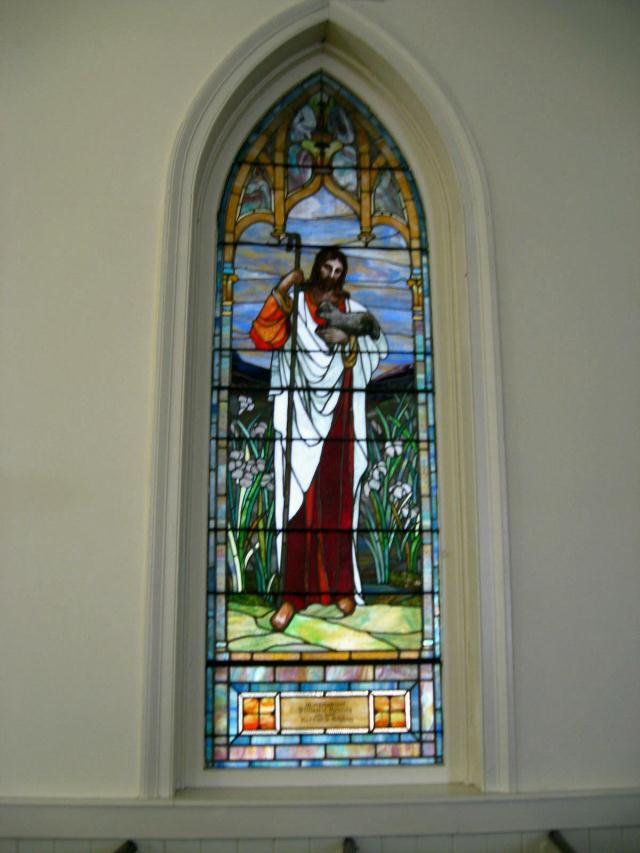
In 1909 the church and chapel were wired for electricity to replace the kerosene lamps. In that year the young people placed the first of the nine stained glass windows in the sanctuary.
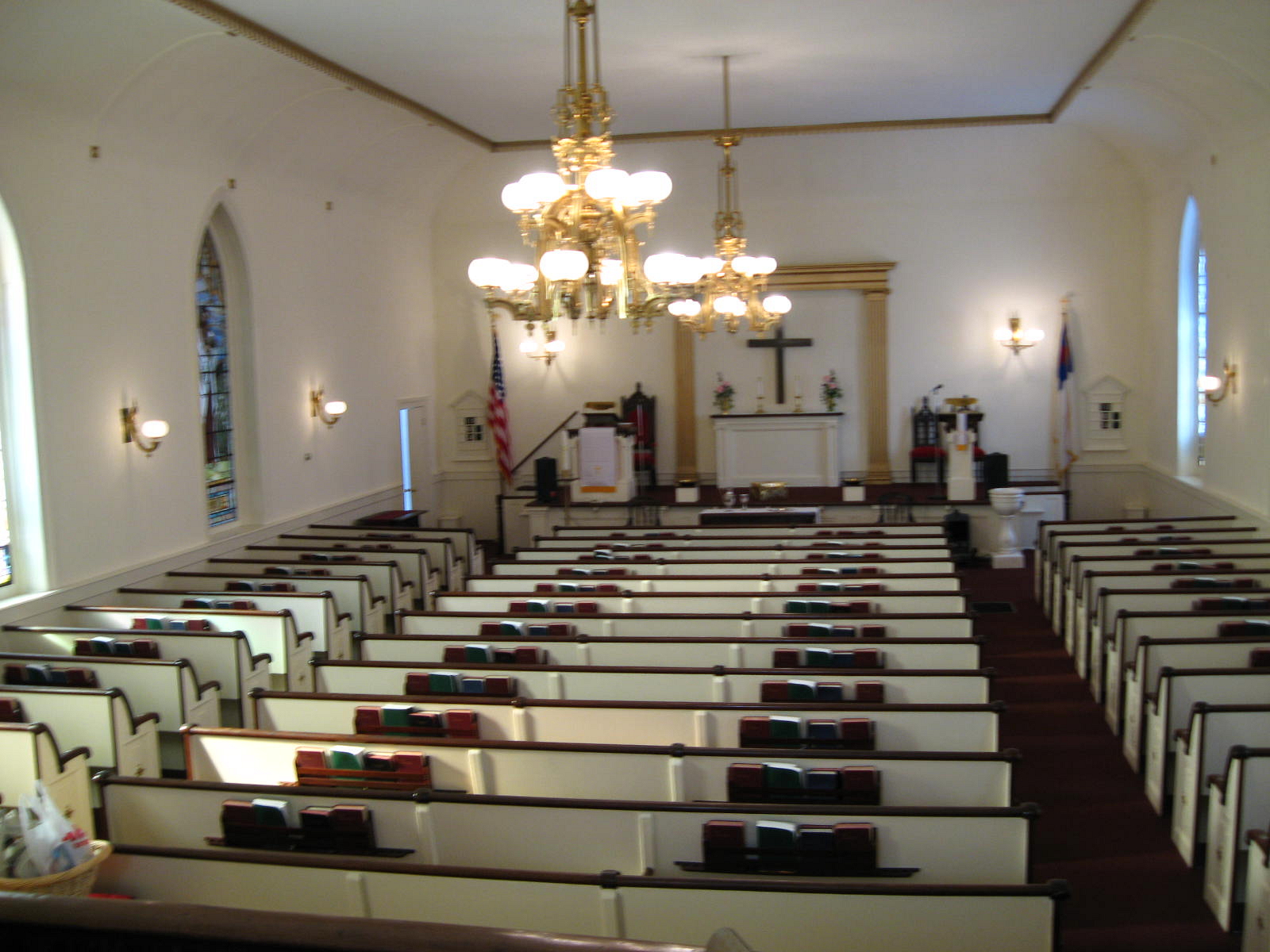
A complete redecoration of the sanctuary was done in 1946. The handsome lighting fixtures were then installed, having been salvaged from the demolition of the historic United States Hotel in Saratoga.
In 1953 an addition to the hall provided an updated kitchen, lavatories, and a basement. Later an “upper room” was finished off, serving multiple purposes over the years, primarily as a nursery and classroom.
In 1994-5 a restoration of the exterior brick walls was undertaken, made possible by generous donations to the Buy a Brick campaign. This remarkable building was thus preserved, deservedly receiving recognition as a Greene County Historic Site.
During the summer of 2008, a complete renovation of the church kitchen was undertaken in order to meet modern food preparation codes, and expand the possibilities of a variety of ministries within the community.
Over the years many memorial gifts have enhanced the beauty and usefulness of the building, and many devoted hands have contributed to its care and well-being. We are grateful to all who have given of themselves with love for this community, the church, and for God.